

Teens may have trouble controlling their emotions and behavior following a brain injury. The focus of this session is to help you stay in control of your emotions.

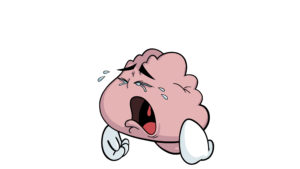
Some teens may experience no change in their emotions, some may be less emotional, and others may show more intense emotions such as exploding or bursting into tears for seemingly no reason. Sometimes it might even seem like you’re on an emotional rollercoaster.
Watch these teens talk about dealing with their emotions after they were injured.
Sarah talks about feeling stronger emotions after her injury.
Shelby talks about her “emotional rollercoaster” and feeling more irritable.
Michael talks about being more quick to anger.
Managing Behavior Problems following Brain Injury
It’s important to think about the choices you make so they do not lead to you getting in trouble.
For instance, you may refuse to do homework when asked. This would likely cause parents to feel frustration and anger and lead to you receiving poor grades in school. That can lead to many other kinds of problems (detention, loss of privileges, falling behind in classes, etc.).
Staying in Control: What You Can Do
Below are some common scenarios that teens go through. Each scenario has two different approaches